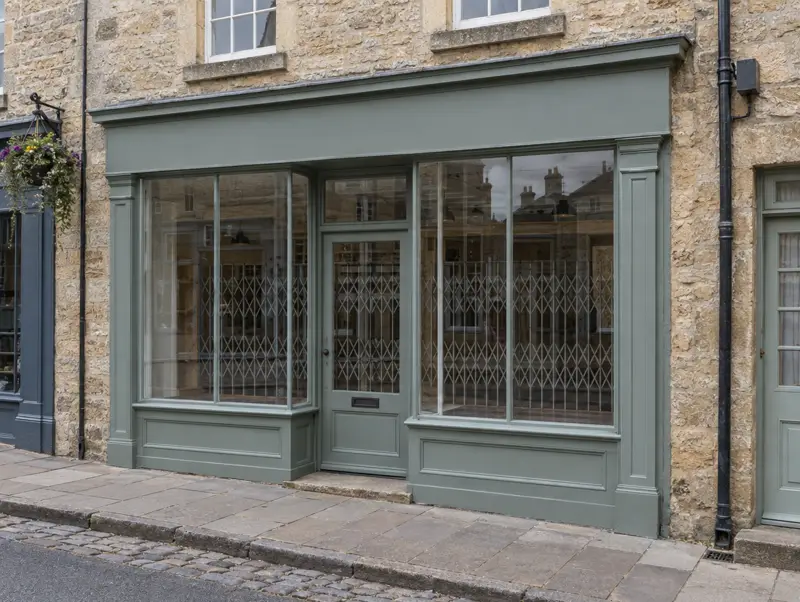
How do conservation areas affect shop shutters?
A conservation area makes an external shutter much harder to get approved. An external shutter usually needs planning permission on any shop, and here the council weighs the effect on the character of the street as well.
The General Permitted Development Order also removes Class A alteration rights on conservation area land under A.1(e). So there is no shortcut for smaller work on these streets either.
Officers look at how the street reads after closing time. They want to know how much of the shopfront disappears when the shutter comes down, and whether the box breaks up the fascia. A row of solid shutters can make a historic street feel dead at night, and that is the harm most local guidance is trying to avoid.
Will a council allow an external shutter in a conservation area?
Sometimes, but expect strict terms. Coventry's guidance says approval "will not normally be granted" for listed buildings or conservation areas. It allows external shutters only exceptionally, with the box behind the fascia and at least 50% transparency.
That is one council's policy, and it may differ on your street. A solid shutter with a box on the face is the hardest case in most places. Each of our 12 counties has its own councils, so check yours on our planning pages before you commit to a design.
Do listed buildings need consent for shop security?
Usually, yes, where the work would affect the building's character. Section 7 of the Planning (Listed Buildings and Conservation Areas) Act 1990 requires listed building consent for those alterations, and it draws no line between inside and outside.
So an internal shutter that avoids planning permission can still need listed building consent. Fixing a box into old plaster, cutting a ceiling or drilling a timber pilaster are all things a conservation officer will want to see.
We found no Historic England advice written specifically for shop shutters. Its general note on building works says consent may be needed for changes affecting character. Speak to your council's conservation officer early.
What security options suit a sensitive shopfront?
Work from the inside out. These are the options we look at first, with guide prices plus VAT and inc VAT.
| Option | From, inc VAT | From, plus VAT | What to weigh up |
|---|---|---|---|
| Internal roller shutter | £1,980 | £1,650 | The frontage looks unchanged by day. The stock is protected, but the glass stays exposed. |
| Security grille | £1,380 | £1,150 | It keeps the view, and it can sit behind the glass. |
| Concealed shutter | £2,124 | £1,770 | The box is hidden behind the fascia, but it is still an external shutter. |
| Perforated shutter | £2,100 | £1,750 | The display stays visible, which can help with a transparency requirement. |
An internal shutter protects the stock, but someone can still break the pane in front of it. If the glass is your main worry, ask about laminated glass at the same time. Before you pick one, tell us what your insurer expects. Our guide to insurance and shutters explains what to ask.
Can I keep an old timber shopfront and still add security?
In most cases, yes. An internal shutter or grille can sit behind an existing timber frontage, so the mouldings, stallriser and pilasters stay as they are.
The limits are usually practical. The box needs depth above the window head, and the guides need something solid to fix to inside. Older buildings are rarely square, and window displays often sit close to the glass. We measure reveals, stallrisers and thresholds by hand at survey, because period openings do not follow a pattern.
Keep as much old fabric as you can. Fixing into modern linings and using as few fixing points as possible is usually an easier case to make on a listed building.
What about signs in a conservation area?
Illuminated fascia signs do not get deemed consent in a conservation area, so a lit sign there usually needs an application. Non-illuminated signs have tighter limits if the street is also an area of special control. A listed building needs listed building consent for signs as well, as the Planning Portal confirms. Our guide to shop signs gives the sizes.
How do I check whether my shop is listed or in a conservation area?
Ask the council, or check its conservation area map and the National Heritage List for England. Do this before you spend money on drawings, because listing can cover the whole building, including parts you cannot see from the street.
If you are a tenant, ask the landlord too. Older consents or conditions on the building may affect what you can do. We confirm a building's status before we price the work.
What should an application on a sensitive street include?
It should include clear photos, measured drawings and a reason for the security you need. Listed building consent also needs a design and access statement, and GOV.UK's guidance says one combined statement can serve both applications when you make them together.
Show that you looked at the less visible options first. A record of attempted break-ins and your insurer's written requirements can both help, and a conservation officer will usually respond better to that than to a catalogue page. Allow extra time as well, because the officer may ask for changes. Our project timeline shows where this sits. Then book a survey, which is free for new work.
Common questions
Does an internal shutter need consent in a conservation area?
Usually not, if the building is not listed, because the work affects only the interior. A very visible internal shutter could still draw the council's attention, so ask if you are unsure.
Does an internal shutter need consent on a listed building?
It can. Listed building consent applies to alterations that affect character, inside or outside. Ask the conservation officer before fixing anything to the building.
Can I use a perforated shutter in a conservation area?
A perforated or grille shutter is usually an easier case than a solid one, but it is still an external shutter and it still needs an application. Some councils set a transparency level, so check the local guidance.
Is a concealed box acceptable on a heritage street?
It is often an easier case, because you lose the box on the front of the building. Coventry, for example, asks for the box behind the fascia. The curtain and guides still show, so approval is not automatic.
How much does an internal shutter cost?
An internal roller shutter starts from £1,980 inc VAT (£1,650 plus VAT). The survey and quotation are free, with no obligation.
Sources
Related services
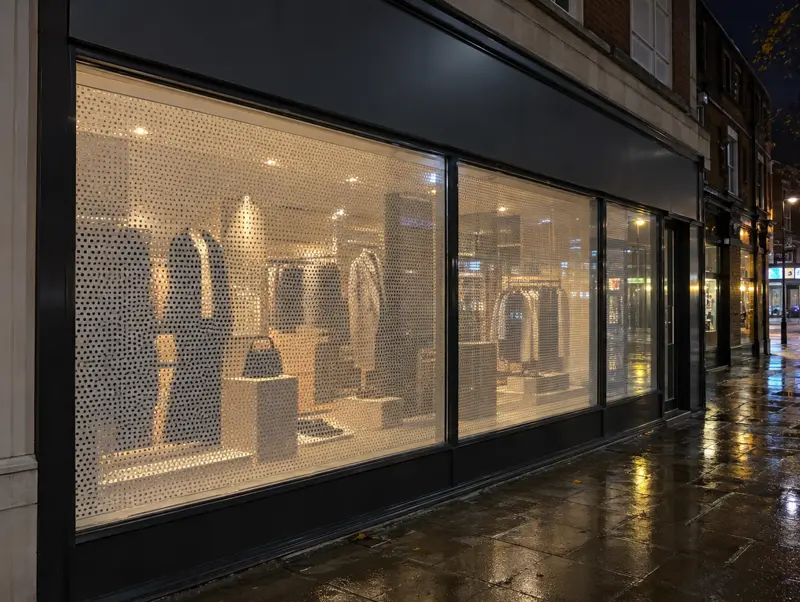
Internal roller shutters
Fitted behind the glass, often the easiest route on a sensitive street.
from £1,980 inc VAT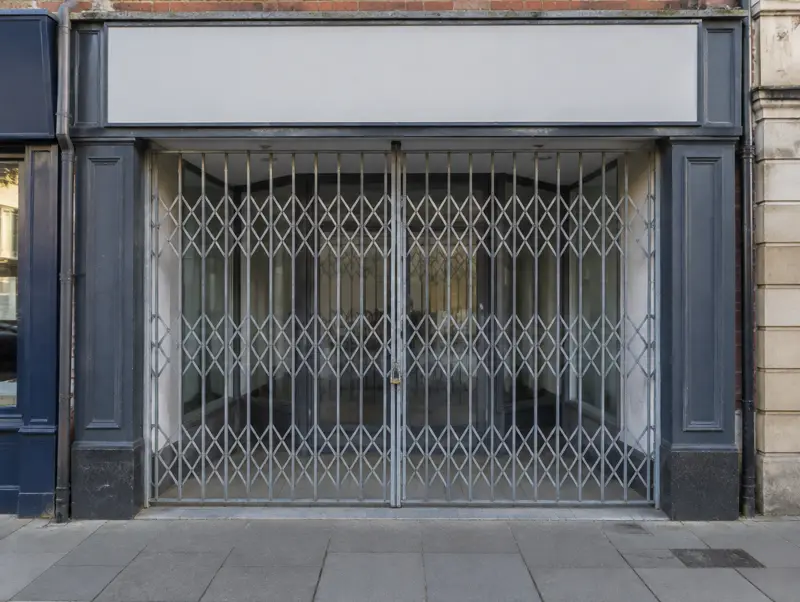
Security grilles
Retractable and fixed grilles that keep the view.
from £1,380 inc VAT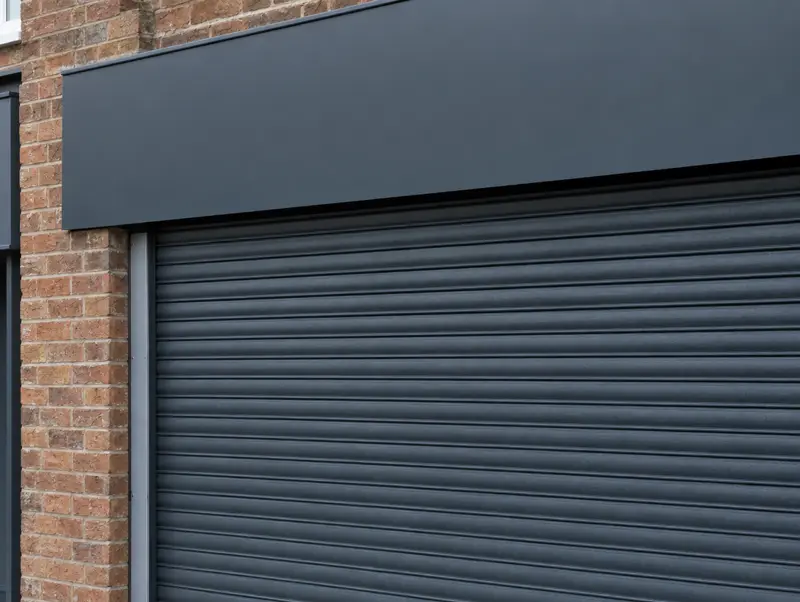
Concealed roller shutters
The box sits behind the fascia, so the street never sees it.
from £2,124 inc VAT