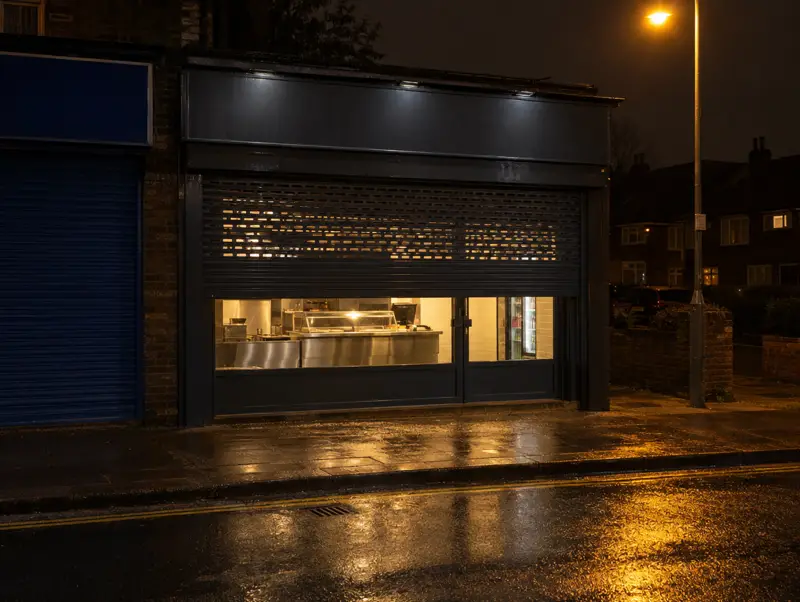
Do I need advertisement consent for a shop sign?
You need it unless the sign has deemed consent. Signs fall under the Town and Country Planning (Control of Advertisements) (England) Regulations 2007, a separate regime from planning permission.
Deemed consent means the regulations allow a sign of a certain kind, in a certain place and within certain sizes, without an application. Go outside those limits and you need to apply. The Planning Portal is clear on the stakes: "The display of an advert without consent is a criminal offence".
Three things decide it: the type of sign, where it sits and the area you are in. This guide covers England. It is general guidance, and your council has the final say on whether a sign complies.
What size can a non-illuminated fascia sign be?
Characters can be up to 0.75 m high, and the top of the sign can be no higher than 4.6 m or the bottom of any first-floor window, whichever is lower. Those are the Class 5 limits in Schedule 3.
On a shop, the sign must be on a wall containing a shop window. So a blank side wall with no window does not qualify under this class, however small the sign is.
The height limit catches people out. Say your first-floor window starts at 3.8 m. The 4.6 m figure then does not help you, because the top of the sign has to stay below that window.
| Limit | Class 5, non-illuminated | Class 4B, illuminated |
|---|---|---|
| Character height | 0.75 m | 0.75 m |
| Top of sign | 4.6 m or the bottom of a first-floor window, whichever is lower | 4.6 m or the bottom of a first-floor window, whichever is lower |
| Lighting | None | Static only, halo or individually lit letters, no lit background |
| Area of special control | 0.3 m characters, 3.6 m top of sign | Check with the council |
| Conservation area | Class 5 limits apply, check with the council | Not available |
Can I put up an illuminated sign without consent?
Sometimes, if it meets Class 4B. It keeps the same height and character limits as a non-illuminated sign, and it adds rules on the lighting. Illumination must be static. Only halo or individually lit letters count, with no lit background.
So a lit box sign with a glowing panel falls outside Class 4B and usually needs an application. Class 4B is also not available in a conservation area, a National Park, the Broads or an Area of Outstanding Natural Beauty. On those streets, assume you must apply for any lit sign.
Ask your sign maker for a detail showing how the letters are lit before you order. If the council has a query, that is the first thing it will want to see.
Can I have a projecting sign as well as a fascia sign?
Yes, within limits. For illuminated signs under Class 4B, you can have one parallel sign and one projecting sign. The projecting sign is limited to 0.75 m² and must be at least 2.5 m above the ground.
Check the clearance on site, as pavements slope. Check any fixing too, as a bracket on an old fascia may need its own support. On a narrow street, a projecting sign can also clash with a shutter box or awning, so show it on the drawing.
What is an area of special control?
It is an area where stricter advertisement limits apply: characters up to 0.3 m high and a top height of 3.6 m for a Class 5 sign. Councils can tell you whether your street falls within one. Ask before you commission artwork, because a sign made to the normal limits may need remaking. An area of special control and a conservation area are different designations, so one does not tell you about the other.
Does a sign on a listed building need separate consent?
Yes, a sign on a listed building also needs listed building consent, in addition to the advertisement rules, as the Planning Portal notes. Fixing into old stone or timber is often the sensitive part. Painted lettering on a traditional fascia is usually an easier case. Our guide to heritage shopfronts explains who to speak to.
Does a new fascia need planning permission as well?
It can, because the fascia itself is part of the shopfront. The advertisement rules cover the sign, while a new fascia, or a deeper one, falls under the planning rules for shopfronts. Swapping the lettering on an existing fascia is a different job from rebuilding the fascia, even if both look like a change of sign from the pavement.
For most new frontages, it makes sense to show the fascia and the sign on one set of drawings. Then you can make any applications together.
How does the sign affect the shutter?
A box on the face can cover the bottom of the fascia, so the sign has to shrink or move. Before you pay for a sign, check where the box will sit. Moving the box behind the fascia adds about £384 inc VAT (£320 plus VAT) and leaves the full fascia clear.
Think about the hours when the shutter is down as well. With the curtain closed, the fascia may be the only branding the street can see, so keep the sign clear of the box.
We draw the fascia and the shutter together, so your sign maker can see the space available. That survey is free for new work. See concealed shutters, or get a guide price for the whole frontage.
Common questions
How high can letters be on a shop sign?
Under deemed consent, characters can be up to 0.75 m high. In an area of special control the limit drops to 0.3 m.
Can I have a backlit sign?
A sign with a lit background falls outside Class 4B, so it usually needs an application. Halo lighting or individually lit letters can qualify, outside conservation areas and the other protected areas listed.
What happens if I put up a sign without consent?
Displaying an advert without consent is a criminal offence. The council can also ask you to take it down, so check the limits before ordering.
Is a change of sign the same as a change of shopfront?
No. Signs fall under the advertisement rules, and physical changes to the frontage fall under planning. One job can involve both.
Who do I ask if I am unsure?
Ask the council's planning department, and keep the reply. It has the final say on whether a sign complies.
Sources
Related services
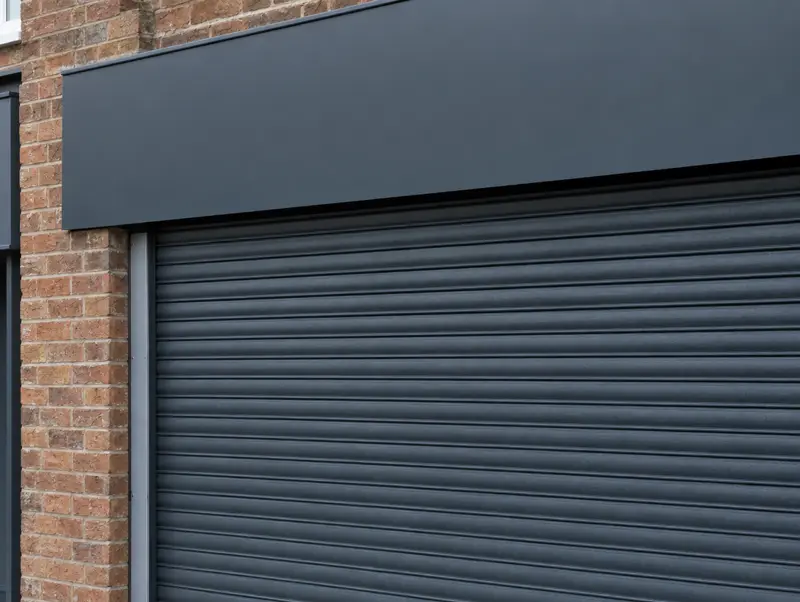
Concealed roller shutters
The box sits behind the fascia, so the street never sees it.
from £2,124 inc VAT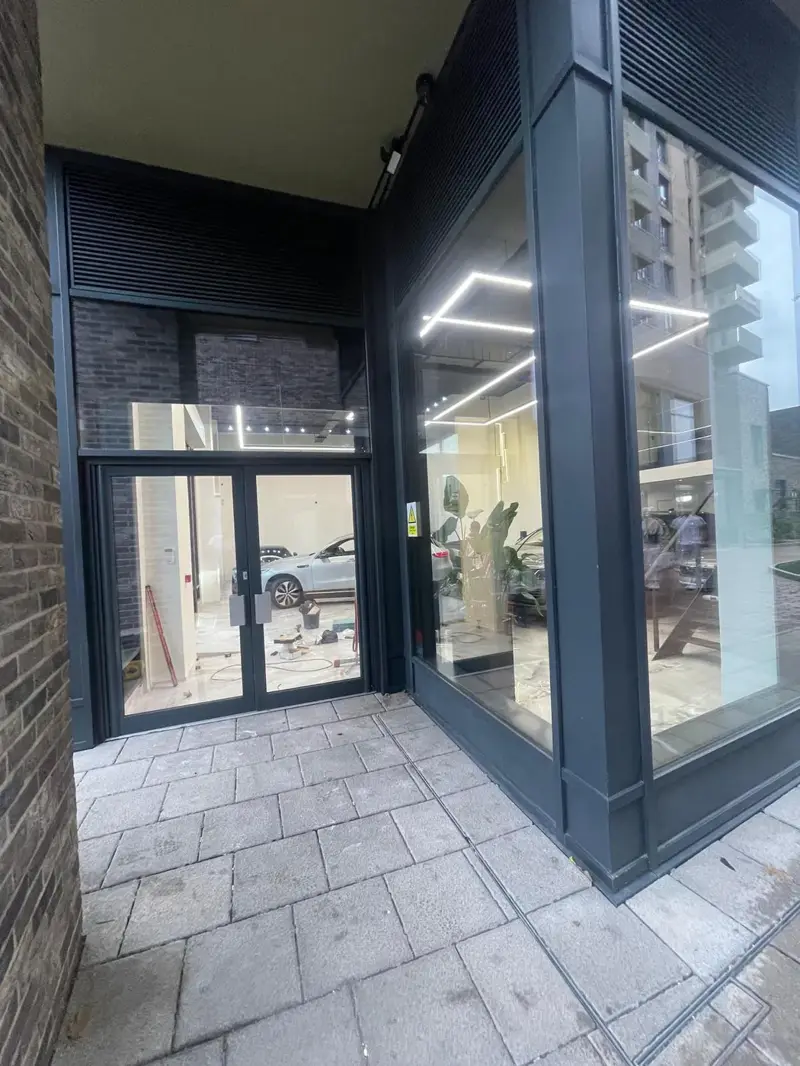
Aluminium shopfronts
Powder-coated frontages, made to the measured opening.
from £2,940 inc VAT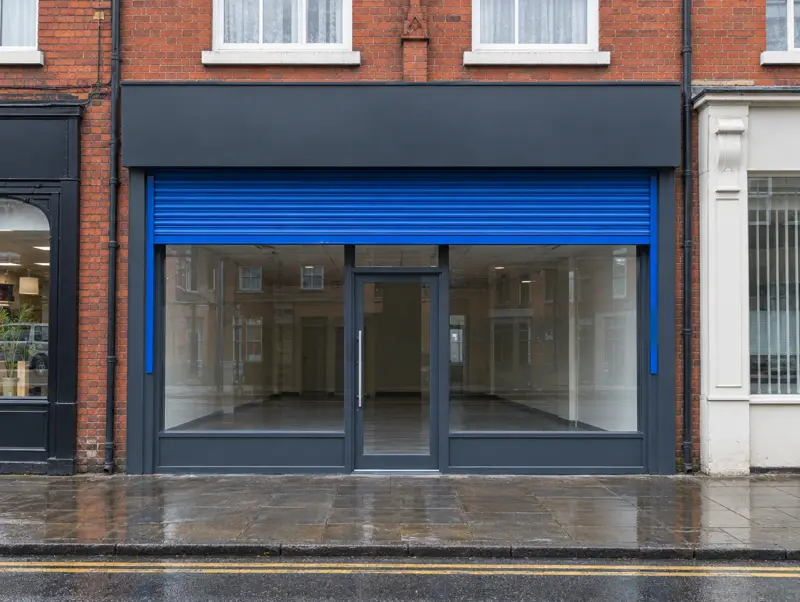
Shopfront and shutter packages
A new frontage and its shutter, designed and fitted as one job.
from £4,074 inc VAT